

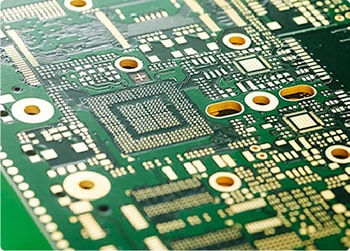
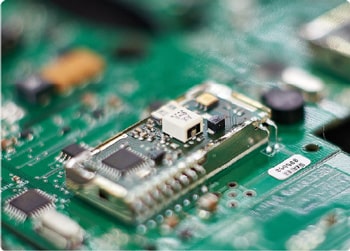
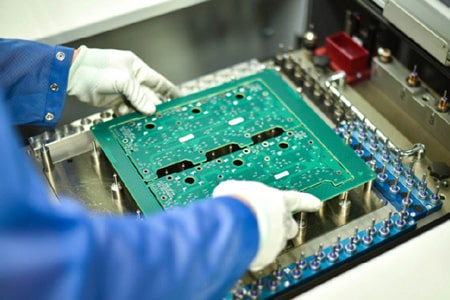
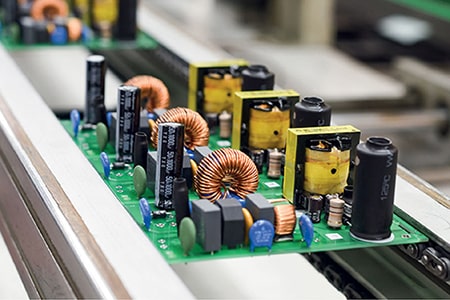










Silicon Carbide PCB (SiC PCB) has quickly gained traction in next-generation high-power electronic hardware. It delivers far better performance than common FR-4 boards and standard ceramic PCBs. SiC ceramic substrate PCB combines unique semiconductor-grade material characteristics with mature PCB manufacturing processes, solving many long-standing pain points in heat dissipation, high-voltage resistance and thermal stability. With modern devices pushing higher power density and tighter thermal margins, SiC substrates have become a reliable choice for industrial high-voltage, high-temperature and high-frequency power modules.
Superior thermal conductivity defines the core value of high thermal conductivity SiC PCB. Traditional substrates struggle severely under continuous high-load operation. FR-4 resin offers very poor heat conduction, while conventional alumina ceramics suffer from low thermal efficiency and inherent brittleness. In comparison, silicon carbide substrates reach a thermal conductivity of 400 W/m·K, outperforming most common ceramic and resin circuit materials by a large margin. This fast heat conduction path rapidly dissipates concentrated heat directly beneath power chips. It keeps junction temperatures stable during long-duration high-power operation and effectively prevents thermal saturation and gradual power performance drop.
CTE matching is another key advantage that boosts long-term packaging reliability. SiC features a low thermal expansion rate that closely matches silicon chip properties. In real working conditions, devices constantly go through heat-up and cool-down cycles. SiC power module PCB generates minimal thermal stress and structural deformation during these fluctuations. It greatly reduces typical production and field failures, including solder micro-cracking, layer delamination and pad peeling caused by thermal mismatch. For automotive and industrial equipment that requires years of stable service, this structural consistency is extremely difficult for ordinary PCB materials to replicate.
SiC PCB provides outstanding electrical insulation and high-voltage endurance for extreme power environments. High-purity silicon carbide maintains strong dielectric strength and low signal loss even under sustained high-voltage impact and extreme temperature shifts. Unlike organic substrates that easily age, carbonize or break down under high electrical stress, SiC remains electrically stable in harsh operating conditions. This inherent reliability makes it ideal for high-voltage power electronics SiC substrate applications that demand strict safety tolerance and long-term electrical consistency.
Strong mechanical durability and environmental resistance further broaden SiC PCB’s usable scenarios. SiC ceramic boasts high surface hardness, excellent compression resistance and rigid structural stability. It resists deformation and cracking even under prolonged vibration and mechanical impact. The material also delivers near-zero water absorption and reliable chemical inertness. It can run steadily in high-temperature, humid or corrosive industrial settings for years, lowering overall equipment failure rates caused by substrate aging and structural damage.
Custom SiC ceramic PCB is now widely deployed in high-end industrial and automotive fields. It serves as a core substrate for new energy vehicle main inverters and onboard charging systems, supporting high-power semiconductor packaging with stable thermal management. In industrial electronics, it fits high-power switching supplies, photovoltaic inverters and high-voltage control modules. Aerospace and rail transit systems also rely on SiC PCBs to maintain reliable insulation and heat dissipation in mission-critical power units.
Admittedly, SiC PCB comes with higher material and processing costs compared with traditional FR-4 or standard ceramic boards. Even so, its overall system-level advantages are undeniable in high-power density designs. Conventional substrates require additional heat sinks, thermal pads and structural reinforcements, which increase device size, weight and assembly complexity. SiC PCB integrates heat conduction, insulation and mechanical support within a single compact substrate. It simplifies overall system architecture, improves power density and cuts long-term maintenance expenses. For advanced power electronic products, it represents the most viable technical trend for future high-performance PCB development.